Installation, Removal & Replacement
Uneven temperatures or worn insulation? Attic Squad helps Glendale homeowners understand what’s happening overhead and which improvements make sense for their attic.
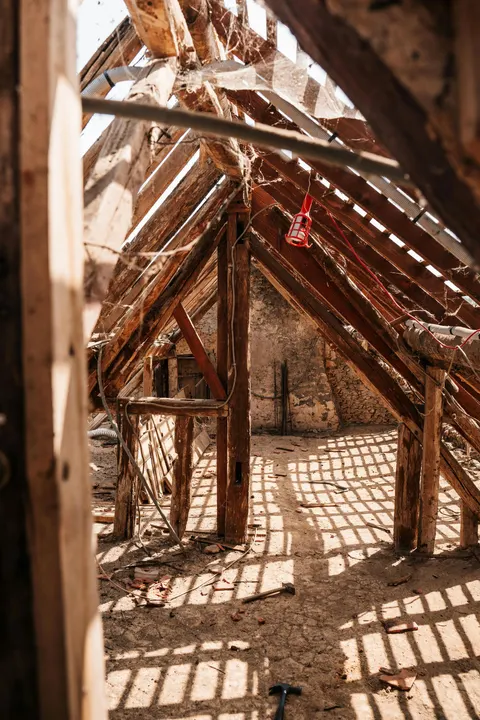
In designated historic districts like Rossmoyne and Casa Verdugo, preserving the character of the home matters. Before choosing a material, consider how the attic is accessed, whether the ceiling below is finished, and where air can escape around openings. A low hatch or tight roofline can affect how the insulation is installed and how evenly the far edges can be covered.
Start with the condition of the attic rather than a product choice. An assessment can help separate an insulation problem from an air leak, a roof leak, or signs of pest activity, so you know which work comes first.
Look for patterns in the rooms below and note any signs around the attic hatch. These clues help guide an inspection, but none alone proves that all the insulation needs replacement. See our Glendale attic insulation guide for more warning signs.
If a bedroom warms much faster than the rest of the house, note the time of day and whether it sits below the attic. Gaps in coverage can be one cause; duct or window issues can also play a part.
A temperature change near a hallway hatch can point to air moving around the opening. Improving the seal at the opening and improving insulation are separate items to ask about.
Thin spots around obstructions or at the edges of the attic can reduce the coverage you thought you had. An assessment should account for depth and condition across the space, not just the area nearest the hatch.
Look for a roof or plumbing leak before adding material over a damp area. Installing insulation before resolving the leak can conceal damage and leave the underlying problem in place.
If you notice gnaw marks, nesting material, or droppings, leave the material undisturbed. Ask how the pest source, cleanup, and insulation work will be handled before scheduling replacement.
Here is how to evaluate the work from the first visit through the final check.
Describe where comfort changes show up and mention any leaks or pest activity. The attic layout and condition then guide the work recommendation.
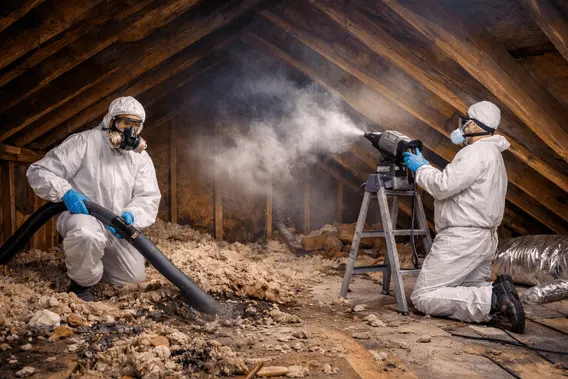
Ask what stays, what gets removed, which areas will be sealed, and how the recommendation changes if damage is found after removal.
The work should address the agreed areas without blocking ventilation or ignoring required clearances. Ask about access and how rooms below the hatch will be protected.
Review what was installed and ask about any areas that could not be reached. Keep the written scope for future roof, duct, or attic work.
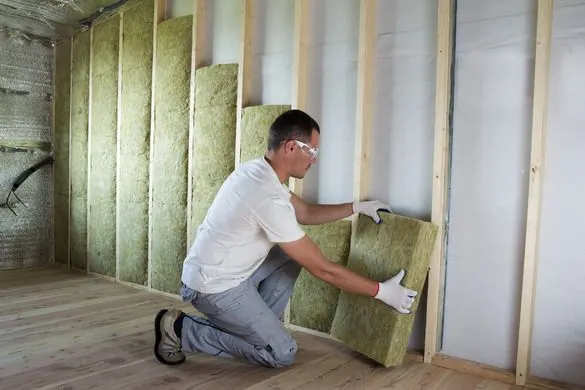
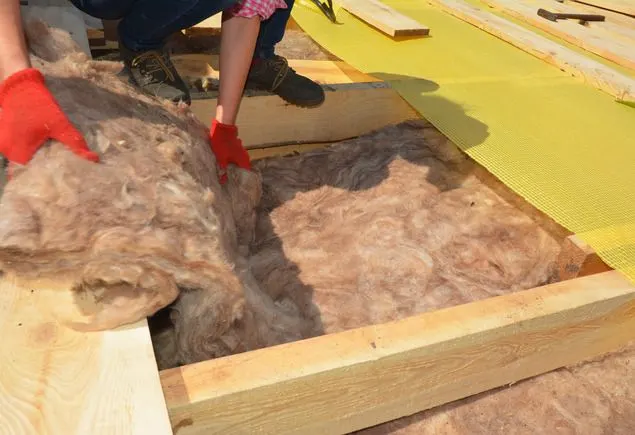
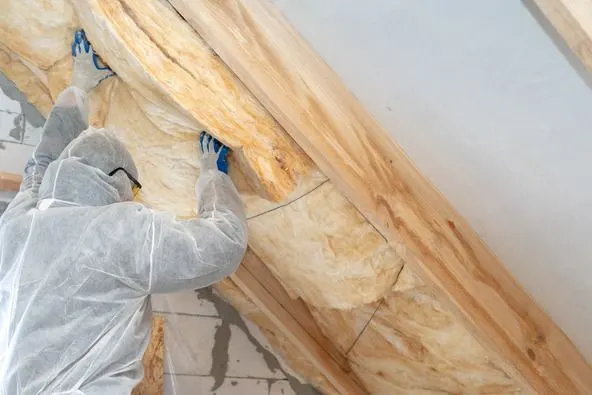
Blown-in insulation can help fill irregular open areas, while batts are sized to fit the framing. The right choice depends on the layout, access, existing material, and what else needs to happen in the attic.
If you’re a Glendale Water & Power customer, check the city’s Home Energy & Water Upgrade Program before committing to work. The city says Glendale Care participants may qualify for enhanced upgrades such as attic insulation. Confirm eligibility, availability, and any program requirements directly with the utility.
Start by deciding what you want to fix and ask how the proposed scope addresses it.
Note which room is affected and when the temperature changes. That gives the assessment a useful starting point.
Resolve active leaks before covering or replacing damp material.
Find out whether the current insulation is suitable to keep or needs to be removed.
Compare coverage and exclusions, not just the price at the bottom of the estimate.
Tell us what you’ve noticed and whether the attic has been repaired or insulated before. That helps narrow down the first things to check.
(626) 649-3652
© 2026 All Rights Reserved | Attic Squad Insulation