Blown-In Insulation Services
in Pasadena, CA
Also known as loose-fill insulation, blown-in is the most common attic insulation upgrade for older Pasadena homes — delivering full attic coverage without removing drywall or disrupting your home.
What Is Blown-In Insulation?
Blown-in insulation — sometimes called loose-fill insulation — is installed by blowing small particles of fiberglass or cellulose into your attic using specialized equipment. It creates a dense thermal barrier that limits heat transfer, helping your home stay cooler in summer and warmer in winter without overworking your HVAC system.
Because it's blown rather than laid in sheets, it fills gaps, corners, and irregular spaces that standard batt insulation simply can't reach — which is exactly why it's the most common choice for older Pasadena homes with non-standard attic framing.
Both materials are blown into your attic using the same basic process, but they perform differently:
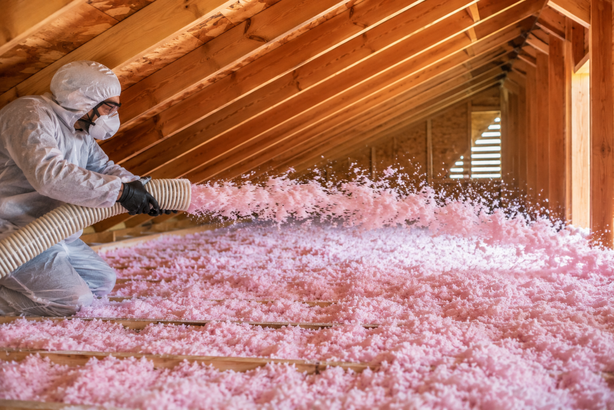
Blown-In Fiberglass
Lightweight, non-combustible, and resistant to moisture. A dependable, cost-effective option for most Pasadena attics.
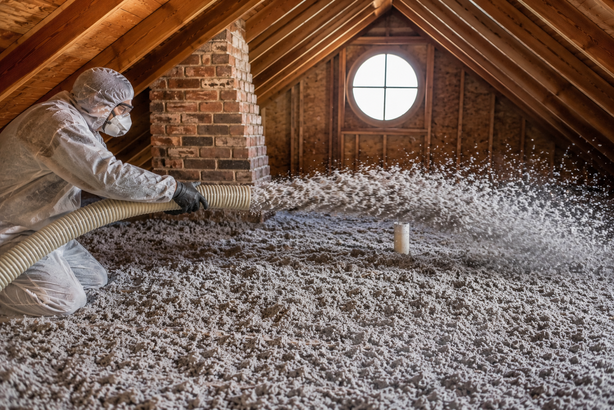
Blown-In Cellulose
Denser than fiberglass, made from recycled paper fiber treated for fire resistance. Excellent at filling irregular spaces common in older homes, and one of the more environmentally friendly options available.
We'll recommend the right material for your home based on your attic's specific condition during your free inspection.
Why Professional Installation Matters
Proper installation requires the right equipment and expertise to ensure complete coverage without creating gaps or compression, and incorrect DIY applications often lead to uneven coverage, poor performance, and the need for rework. A trained contractor will also identify potential problem areas like air leaks or insufficient ventilation and address them during the job. Encyclopedia BritannicaEncyclopedia Britannica
This is especially true in Pasadena's older homes, where attic framing is rarely standard and getting full, even coverage requires experience working in exactly these kinds of spaces.
Why Choose Attic Squad for Blown-In Insulation in Pasadena
- Licensed & insured crew with 10 years of experience in Pasadena and the San Gabriel Valley
- Free, no-pressure attic inspection before any work is quoted
- Fiberglass and cellulose options to match your home's specific needs
- Air sealing included as part of every installation
- Help navigating rebate documentation and R-value requirements
Frequently Asked Questions — Blown-In Insulation in Pasadena
Is blown-in insulation better than batt insulation?
Blown-in insulation is generally better for older Pasadena homes because it fills irregular spaces, gaps, and obstacles that batt insulation can't reach. Batt insulation works well in newer homes with standard, open framing, but most San Gabriel Valley homes have attic spaces that benefit more from blown-in coverage.
How long does blown-in insulation last?
Properly installed blown-in insulation typically lasts 20 to 30 years, though fiberglass tends to settle less over time than cellulose. Performance can degrade sooner if the attic experiences moisture issues, rodent activity, or physical disturbance.
Can blown-in insulation be installed over my existing insulation?
It depends on the condition of your current insulation. If it's clean, dry, and undamaged, new blown-in insulation can sometimes be added on top to boost your R-value. If your existing insulation is contaminated, compressed, or degraded, it should be removed first — adding new material over a failing layer won't deliver the performance you're paying for.
How much blown-in insulation do I need for my attic?
This depends on your current R-value and your target R-value, which for most Pasadena homes should be R-30 or higher. During a free inspection, we measure your existing insulation depth and tell you exactly how much new material is needed to reach the recommended level.
Is blown-in insulation messy or disruptive to install?
Blown-in installation is one of the least disruptive insulation upgrades available. The equipment stays outside your home, with only the hose running into the attic. Most installations are completed in a single day with minimal mess inside your living space.
Does blown-in insulation help with energy bills right away?
Most homeowners notice a difference in comfort within days and see the impact on their energy bills within the first full billing cycle after installation, especially when air sealing is addressed at the same time.
Do I need a permit for blown-in insulation in Pasadena?
Permit requirements can vary depending on the scope of work and whether you're applying for a rebate. We handle permit requirements as part of our process when applicable, so you don't have to navigate it yourself.
Will blown-in insulation help me qualify for a rebate?
Yes, in many cases. Pasadena and LADWP rebate programs typically require new insulation to bring your attic up to a minimum R-value, and blown-in insulation is one of the most common ways homeowners meet that requirement. We can help you understand what you may qualify for during your inspection.
Free Blown-In Insulation Inspection for Pasadena Homeowners
Find out exactly what R-value your attic currently has and what it would take to bring it up to recommended levels — at no cost.