Attic Cleaning and Sanitation After Rodent Activity in Pasadena Homes
Essential Steps For Pasadena Homeowners To Improve Indoor Air Quality
Before Insulation Installation
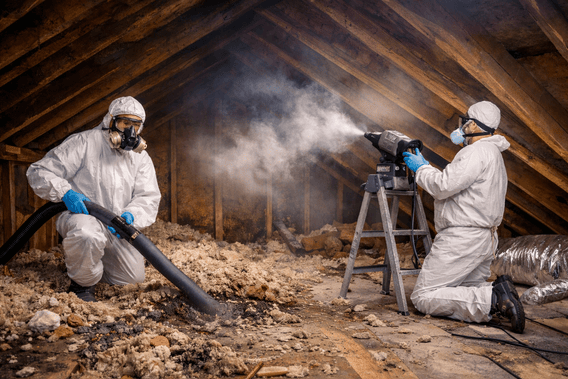
Discovering rodent activity in your Pasadena home's attic creates serious health and safety concerns that extend far beyond the visible damage. Rodents leave behind contaminated droppings, urine, nesting materials, and pathogens that can spread harmful bacteria and viruses throughout your living space.
Professional attic cleaning and sanitation after rodent activity is essential because up to 40% of your home's air circulation comes from the attic space, making contaminated areas a direct threat to your family's health. The contamination penetrates deep into insulation materials, creating persistent odors and ongoing air quality problems that simple surface cleaning cannot address.
Proper sanitization removes all traces of rodent contamination and prepares your attic for new, clean insulation that will improve your home's energy efficiency and indoor air quality. This comprehensive approach protects your investment in new insulation while ensuring your family breathes clean, healthy air.
Key Takeaways
- Rodent contamination in attics poses serious health risks through airborne pathogens and compromised indoor air quality
- Professional sanitation removes all contaminated materials and disinfects surfaces to eliminate health hazards completely
- Proper cleanup prepares the space for new insulation installation and improves long-term energy efficiency
Why Attic Cleaning and Sanitation Is Essential After Rodent Activity
Rodent infestations create serious health hazards through contaminated droppings and urine that compromise your home's air quality. Professional attic decontamination becomes necessary to eliminate disease-carrying pathogens and restore safe indoor environments.
Health Risks Associated With Rodent Droppings in Attics
Rodent droppings attic contamination poses significant health threats to your family. Rat and mouse waste contains dangerous pathogens that cause serious illnesses.
Hantavirus represents one of the most severe risks from rodent exposure. This potentially fatal respiratory disease spreads when you inhale dust particles contaminated with dried rodent urine or droppings.
Salmonella bacteria thrives in rodent waste and causes severe food poisoning symptoms. The bacteria becomes airborne during cleanup attempts without proper protection.
Additional diseases from rat infestation attic exposure include:
- Leptospirosis - kidney and liver damage
- Lymphocytic choriomeningitis - neurological complications
- Tularemia - fever and respiratory problems
- Rat-bite fever - joint pain and rash
These pathogens remain active in dried waste for months. Simple disturbance of contaminated insulation releases harmful particles into your breathing space.
The Impact of Rodent Infestation on Indoor Air Quality
Attic air quality deteriorates rapidly when rodents establish nests in your home. Their waste produces ammonia vapors that circulate through your HVAC system.
Contaminated air travels from your attic through ductwork and vents. This spreads harmful particles throughout your living areas where your family breathes daily.
Rodent urine soaks into insulation materials and creates persistent odors. These smells indicate ongoing contamination that affects your entire home's air circulation.
Attic health risks increase when heating and cooling systems draw contaminated air from infested spaces. Your family unknowingly inhales these dangerous particles during normal daily activities.
Poor attic conditions also reduce insulation effectiveness. Contaminated materials lose their thermal properties and allow outside air to enter your home more easily.
Consequences of Neglecting Attic Decontamination
Avoiding proper attic decontamination allows harmful bacteria to multiply in your home's upper levels. Contaminated insulation becomes a permanent source of airborne pathogens.
Attic sanitation delays worsen existing health risks for family members with respiratory conditions. Children and elderly residents face heightened vulnerability to rodent-borne diseases.
Postponing attic cleaning Pasadena services leads to more extensive contamination spread. Rodent waste continues breaking down and releasing toxic particles into your home's air supply.
Property damage escalates without prompt cleaning. Contaminated insulation requires complete replacement rather than simple cleaning when left untreated for extended periods.
Insurance complications may arise from delayed remediation. Some policies require immediate action after discovering rodent activity to maintain coverage for related health claims.
Identifying and Addressing Contamination and Damage
Rodent activity leaves behind multiple forms of contamination that compromise your attic's safety and your home's air quality. Damaged insulation, persistent odors, and mold growth create health risks that require immediate attention.
Signs of Rodent Damage and Contaminated Insulation
You can identify rodent damage through several visible indicators in your attic space. Droppings scattered throughout the insulation signal active or recent infestations. These waste materials contain harmful bacteria and parasites.
Chewed or burrowed insulation shows clear signs of contamination. Rodents tunnel through insulation materials, creating pathways that reduce thermal efficiency. Urine stains and grease marks along walls indicate travel routes.
Look for these specific damage patterns:
- Compressed insulation where rodents have nested
- Shredded materials used for nesting sites
- Dark staining from urine and fecal matter
- Scattered debris from chewed items
Contaminated insulation loses its effectiveness and becomes a health hazard. The materials absorb odors and moisture, creating breeding grounds for bacteria. You cannot clean contaminated insulation effectively - replacement becomes necessary.
Risks of Attic Odor and Mold Growth After Rodents
Persistent odors indicate ongoing contamination issues in your attic. Ammonia-like smells from urine penetrate insulation and wooden structures. These odors travel through your home's ventilation system.
Moisture from rodent waste creates ideal conditions for mold growth. Mold spores spread through air ducts, affecting your indoor air quality. High humidity levels in contaminated areas accelerate this process.
Common odor sources include:
SourceSmellHealth RiskUrine depositsAmmonia-likeRespiratory irritationFecal matterMusty, sourBacterial infectionDead rodentsPutrid decayDisease transmissionMold growthEarthy, dampAllergic reactions
These conditions worsen without proper intervention. Odors become embedded in building materials, requiring extensive remediation efforts.
The Importance of Attic Odor Removal and Mold Prevention
Professional attic odor removal eliminates health hazards and prepares your space for new insulation. Specialized decontamination techniques neutralize bacteria and remove embedded smells. Standard cleaning methods cannot address deep contamination.
Effective mold prevention requires moisture control and proper ventilation. Sealed entry points prevent future infestations that create moisture problems. Professional services identify hidden contamination areas you might miss.
Proper remediation includes sanitization of all affected surfaces. EPA-approved disinfectants eliminate pathogens safely. This process ensures your attic meets health standards before insulation installation.
Without thorough decontamination, new insulation becomes contaminated quickly. Investment protection requires complete removal of existing hazards. Professional assessment identifies structural damage that needs repair before proceeding with improvements.
Comprehensive Attic Cleanup and Sanitation Process
Effective attic cleanup after rodent activity requires systematic removal of contaminated materials, thorough decontamination, and proper preparation for new insulation. Professional-grade equipment and specialized techniques ensure complete elimination of health hazards and odors.
Steps in Attic Cleanup After Rodent Infestation
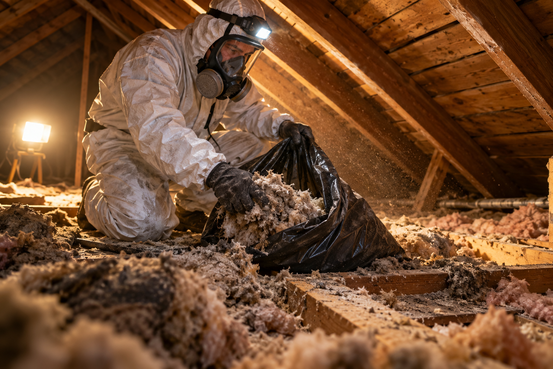
Professional attic cleanup begins with a detailed assessment to determine contamination levels and identify all areas affected by rodent activity. Technicians locate nesting sites, travel paths, and contaminated insulation before removal begins.
The cleanup process follows strict containment and removal procedures using professional-grade equipment to safely extract contaminated materials without spreading airborne particles.
Initial preparation includes:
- Wearing protective equipment including N95 masks and gloves
- Setting up proper ventilation
- Documenting damage with photographs
Contaminated insulation and debris are sealed in heavy-duty containment bags to prevent the spread of airborne particles during removal.
Key removal steps include:
- Removing all soiled insulation materials
- Collecting visible droppings and nesting materials
- Disposing of contaminated items according to local regulations
After debris removal, all exposed surfaces are treated with EPA-approved disinfectants to eliminate bacteria, viruses, and odor-causing contaminants.
Professional Attic Vacuuming and Decontamination Services
Professional attic vacuuming services use specialized HEPA equipment designed for contaminated environments. These powerful systems capture microscopic particles that standard vacuums cannot remove.
Industrial-grade vacuum systems feature sealed containment units that prevent recontamination during the cleaning process.
Professional technicians follow strict protocols to ensure complete removal of rodent-related contaminants.
Professional equipment includes:
- HEPA-filtered vacuum systems
- Negative air machines for containment
- Commercial-grade disinfecting equipment
Decontamination involves applying antimicrobial treatments to all attic surfaces. Professionals use foggers and sprayers to reach hidden areas where rodents may have traveled. These treatments eliminate bacteria, viruses, and odor-causing compounds.
The process concludes with air quality testing to verify successful decontamination. Professional services guarantee that your attic meets safety standards before proceeding with insulation installation.
Ensuring Proper Attic Sanitation for New Insulation Installation
Your attic requires complete sanitation before new insulation installation to prevent future contamination issues. Proper preparation ensures optimal insulation performance and prevents odor transfer to living spaces.
Surface treatment involves sealing porous materials like wood beams with specialized primers. This prevents residual odors from penetrating new insulation materials.
Critical sanitation elements:
- Complete surface disinfection
- Odor neutralization treatments
- Moisture control measures
- Air sealing preparation
As part of the sanitation process, all identified rodent entry points are sealed to prevent future infestations before new insulation is installed.
Final air quality verification confirms successful sanitation completion. Your attic should pass visual inspection and odor tests before new insulation installation proceeds. This ensures your investment in new insulation delivers maximum performance and indoor air quality benefits.
Preparing for Insulation Replacement and Improving Air Quality
Rodent-contaminated insulation requires complete removal and professional-grade cleaning before installing new materials. Proper attic preparation eliminates health hazards while maximizing the performance of your new insulation investment.
Insulation Replacement After Rodents: Best Practices
Complete removal of contaminated insulation is essential after rodent infestations. Old insulation harbors urine, feces, nesting materials, and parasites that compromise your family's health.
Start by sealing all entry points where rodents gained access. Common areas include roof vents, eave gaps, and utility penetrations. Use steel wool and caulk for holes smaller than ¼ inch, and metal mesh for larger openings.
Remove all contaminated materials while wearing protective gear including N95 masks, gloves, and coveralls. Bag insulation immediately to prevent spreading contaminants throughout your home.
Professional-grade disinfection follows removal. EPA-approved antimicrobial solutions eliminate bacteria, viruses, and parasites that standard cleaning cannot address. Allow surfaces to dry completely before installing new insulation.
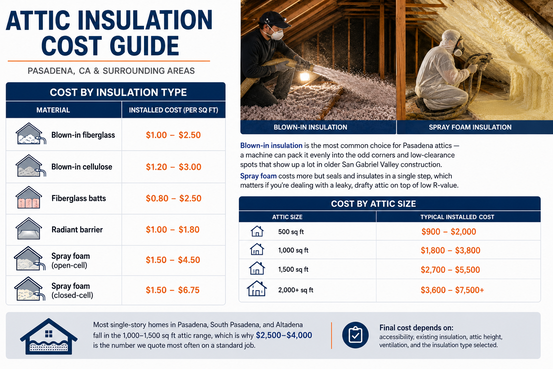
Choose insulation materials with rodent-resistant properties. Spray foam creates a barrier that rodents cannot easily penetrate, while blown-in cellulose treated with boric acid deters pests naturally.
Benefits of Attic Cleaning Before New Insulation
Thorough attic cleaning before insulation installation prevents air quality problems and maximizes energy efficiency. Contaminated surfaces release particles into your home's air circulation system.
Professional cleaning removes decades of accumulated dust, mold spores, and biological contaminants. These particles reduce indoor air quality and trigger allergies or respiratory issues in sensitive family members.
Air sealing during the cleaning process prevents conditioned air from escaping through gaps and cracks. This step reduces energy costs by up to 20% compared to insulation alone.
Clean attic surfaces allow new insulation to perform at rated R-values. Debris and contamination create thermal bridges that reduce insulation effectiveness and increase heating costs.
Moisture control improves significantly after proper cleaning. Removing organic materials eliminates food sources for mold and bacteria that thrive in humid attic environments.
Maintaining Optimal Attic Air Quality in Pasadena Homes
Pasadena's Mediterranean climate creates specific challenges for attic air quality management. Temperature fluctuations between hot days and cool nights promote condensation that supports mold growth.
Install proper ventilation to maintain consistent airflow. Ridge vents combined with soffit vents create natural air circulation that prevents moisture buildup during temperature changes.
Regular inspections every six months help identify problems before they affect indoor air quality. Look for signs of pest activity, moisture stains, or insulation settling that reduces effectiveness.
Monitor humidity levels using digital hygrometers. Attic humidity should remain below 60% to prevent mold growth and material degradation.
Schedule professional attic cleaning Pasadena services every 3-5 years to maintain optimal conditions. Regular maintenance prevents contamination buildup and extends insulation lifespan significantly.
Frequently Asked Questions
Rodent contamination creates specific health hazards through airborne particles and bacteria that circulate through your home's ventilation system. Professional cleaning addresses these contaminants while preparing your attic for optimal insulation performance.
How can rodent activity in the attic affect indoor air quality in my home?
Rodent droppings and urine contain harmful bacteria and allergens that become airborne through your HVAC system. These particles circulate throughout your living spaces every time your heating or cooling system operates.
Decomposing rodent carcasses release ammonia and other toxic gases. The smell indicates that contaminated air is entering your home's ventilation system.
Rodent nesting materials trap moisture and create conditions for mold growth. This mold releases spores that worsen respiratory conditions and allergies.
What are the signs that my attic needs professional cleaning and sanitation?
Strong ammonia or musty odors coming from vents indicate rodent contamination in your attic space. You may notice these smells intensify when your HVAC system runs.
Visible droppings, gnaw marks on insulation, or shredded materials signal active or recent rodent activity. Dark stains on insulation typically indicate urine contamination.
Unexplained respiratory symptoms or worsening allergies among household members often point to contaminated air circulation. Family members may experience increased coughing or breathing difficulties.
Why is it important to clean and sanitize the attic before installing new insulation?
Installing new insulation over contaminated surfaces traps bacteria and odors permanently within your attic system. This contamination will continue affecting your indoor air quality for years.
Rodent urine and droppings create an acidic environment that degrades insulation materials over time. Your new insulation will lose effectiveness and require earlier replacement.
Professional sanitization removes all contamination sources before insulation installation. This ensures your investment in new insulation provides maximum energy efficiency and air quality benefits.
What are the potential health risks of not addressing rodent infestations in attic spaces?
Hantavirus poses serious respiratory risks through exposure to rodent droppings and urine particles. This virus can cause severe lung inflammation and breathing difficulties.
Salmonella bacteria from rodent waste can cause food poisoning symptoms when particles enter your living spaces. Children and elderly family members face higher risks from bacterial exposure.
Chronic exposure to rodent allergens triggers asthma attacks and respiratory inflammation. Long-term exposure may develop into permanent breathing problems or worsen existing conditions.
How does Attic Squad Insulation ensure the thorough removal of contaminants from my attic?
Attic Squad Insulation begins with complete removal of contaminated insulation materials and debris. Our team uses specialized equipment to safely extract all affected materials without spreading contamination.
We apply EPA-approved disinfectants to all surfaces including joists, subflooring, and ductwork. This sanitization process eliminates bacteria, viruses, and odor-causing compounds.
Our technicians seal entry points and install new vapor barriers before insulation replacement. This prevents future contamination and ensures your attic remains clean and efficient.
Are there any long-term benefits to having my attic professionally cleaned and sanitized?
Professional attic cleaning eliminates recurring odor problems that return without proper decontamination. Your home will maintain fresh indoor air quality for years after treatment.
Clean attics allow new insulation to perform at maximum efficiency levels. You will see improved energy savings and more consistent indoor temperatures throughout your home.
Proper sanitization prevents mold growth and reduces future pest attraction to your attic space. This protects your insulation investment and maintains healthy indoor air circulation.
You might also like